7 Energy-Efficient Ways to Keep Your Central Valley Home Cool During Summer Heat

Summer in California’s Central Valley brings intense heat that can make homes uncomfortable and drive up energy bills. With temperatures often soaring above 100°F, finding ways to keep your home cool without relying solely on air conditioning is essential. This post explores seven practical home improvements that help maintain a cooler indoor environment during the hottest months.
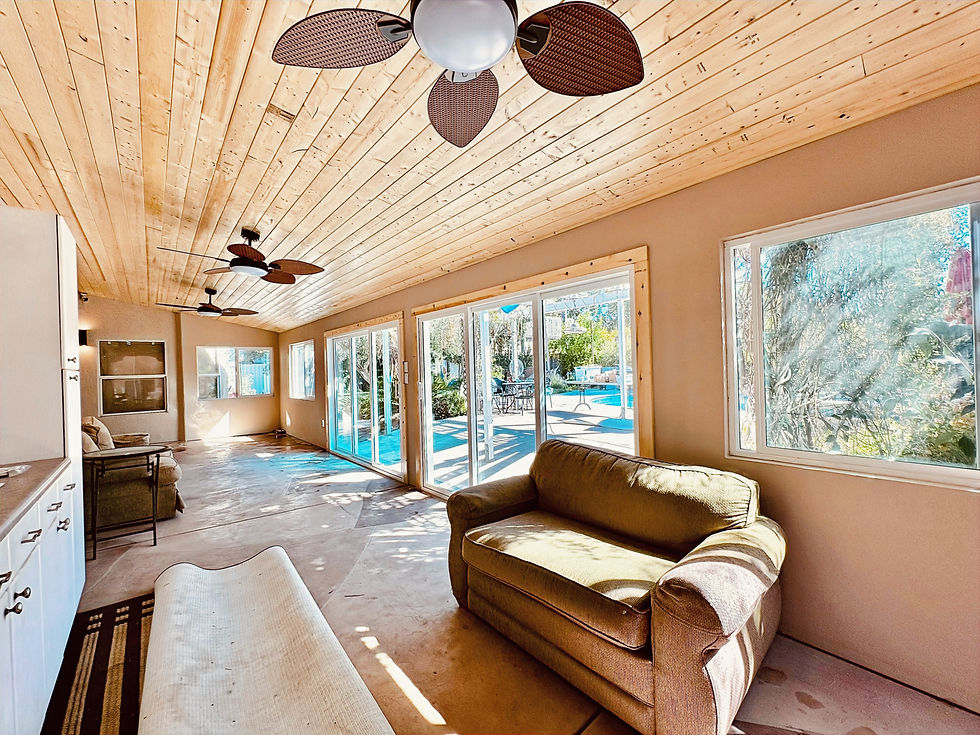
1. Upgrade Window Treatments to Reflect Heat
Windows are a major source of heat gain in homes. Installing window treatments designed to block or reflect sunlight can significantly reduce indoor temperatures.
Reflective window films: These films attach directly to glass and reflect infrared rays, reducing heat without darkening the room.
Solar shades: These allow light in but block UV rays and heat, maintaining brightness while lowering temperature.
Thermal curtains: Heavy, insulated curtains trap heat outside when closed during the day.
2. Improve Attic Insulation and Ventilation
Heat builds up in the attic and radiates downward, warming living spaces. Proper insulation and ventilation can prevent this heat transfer.
Add or upgrade insulation: Use materials like spray foam or fiberglass to create a barrier that slows heat flow.
Install ridge vents and soffit vents: These allow hot air to escape and cooler air to enter, reducing attic temperature.
Use attic fans: Solar-powered attic fans can actively remove hot air during peak heat hours.
In the Central Valley, where attic temperatures can exceed 140°F, these improvements can lower indoor temperatures by several degrees and reduce air conditioning use.
3. Plant Shade Trees and Use Landscaping Strategically
Natural shade from trees and plants can cool your home’s exterior and reduce heat absorption.
Plant deciduous trees on the south and west sides: These trees provide shade in summer and allow sunlight in winter after they shed leaves.
Use shrubs and vines near walls and windows: They create a cooling barrier and reduce reflected heat.
Install trellises with climbing plants: These can shade patios and windows effectively.
4. Seal Air Leaks and Improve Weatherstripping
Even small gaps around doors and windows let hot air in and cool air out, forcing your AC to work harder.
Inspect and seal cracks: Use caulk or weather-resistant sealant around window frames, door jambs, and baseboards.
Replace worn weatherstripping: Ensure doors and windows close tightly to block drafts.
Check vents and outlets: Seal gaps around electrical outlets and HVAC vents.
Sealing leaks can improve energy efficiency by up to 20%, according to the U.S. Department of Energy, and keeps your home cooler by maintaining a stable indoor temperature.
5. Install Energy-Efficient Ceiling Fans
Ceiling fans circulate air, creating a wind-chill effect that makes you feel cooler without lowering the actual temperature.
Choose fans with reversible motors: Use the counterclockwise setting in summer to push air downward.
Use fans in occupied rooms: Fans cool people, not rooms, so turn them off when rooms are empty.
Combine fans with air conditioning: Fans allow you to raise the thermostat setting by about 4°F without discomfort.
In Central Valley homes, ceiling fans can reduce reliance on air conditioning and lower energy bills during long heat spells.
6. Use Light-Colored or Reflective Roofing Materials
Roofing absorbs a lot of heat, which transfers into your home. Choosing the right roofing materials can reduce this effect.
Install cool roofs: These roofs use reflective coatings or materials that reflect more sunlight and absorb less heat.
Choose light-colored shingles or tiles: Lighter colors reflect more solar radiation than dark roofs.
Consider metal roofing with reflective paint: Metal roofs cool quickly after sunset and reflect heat during the day.
Studies show cool roofs can reduce roof surface temperatures by up to 50°F, significantly lowering indoor heat gain.
7. Upgrade to Energy-Efficient Windows
If your home has old, single-pane windows, upgrading to energy-efficient models can make a big difference.
Double-pane or triple-pane windows: These have insulating layers that reduce heat transfer.
Low-emissivity (Low-E) coatings: These coatings reflect infrared heat while allowing visible light.
Proper window framing: Frames made of vinyl or fiberglass provide better insulation than aluminum.
Replacing windows is a larger investment but can improve comfort and reduce cooling costs for years. Many Central Valley homeowners find this upgrade pays off in energy savings.
Keeping your Central Valley home cool during summer requires a combination of smart improvements. From shading and insulation to sealing leaks and upgrading windows, these seven strategies work together to reduce heat gain and improve comfort. Start with simple fixes like window treatments and sealing leaks, then consider bigger projects like attic ventilation or roofing upgrades. Taking action now helps you enjoy a cooler home and lower energy bills when the summer heat arrives.


Comments